In the analyzed video, The Hemodynamics Dude uses a First-person POV structure, opens with Question hooks, and builds purchase intent through Trust. This observation is based only on this video's script, storyboard, and public performance data.
In the analyzed video, The Hemodynamics Dude uses a First-person POV structure, opens with Question hooks, and builds purchase intent through Trust. This observation is based only on this video's script, storyboard, and public performance data.
Una pregunta directa y a menudo ligeramente provocadora, como “¡¿por qué el suyo es mucho más grande?!”, atrae eficazmente la atención. Al tocar una experiencia compartida o una curiosidad sin resolver, esta apertura crea una conexión inmediata y anima al público a quedarse para conocer la respuesta o la solución.
Esta perspectiva hace que el público sienta que vive la experiencia en primera persona. Las tomas selfie a mano muestran los detalles del producto y su uso, crean una sensación auténtica e inmersiva, acercan al espectador y despiertan el interés de compra.
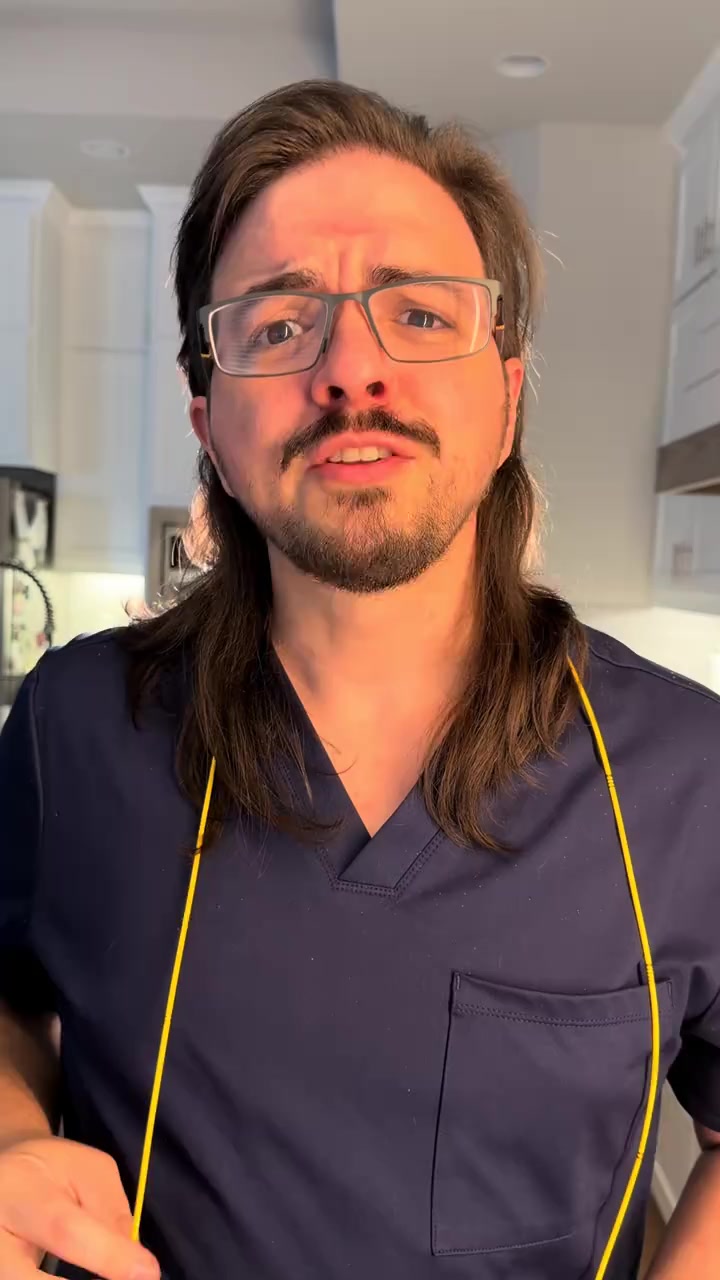
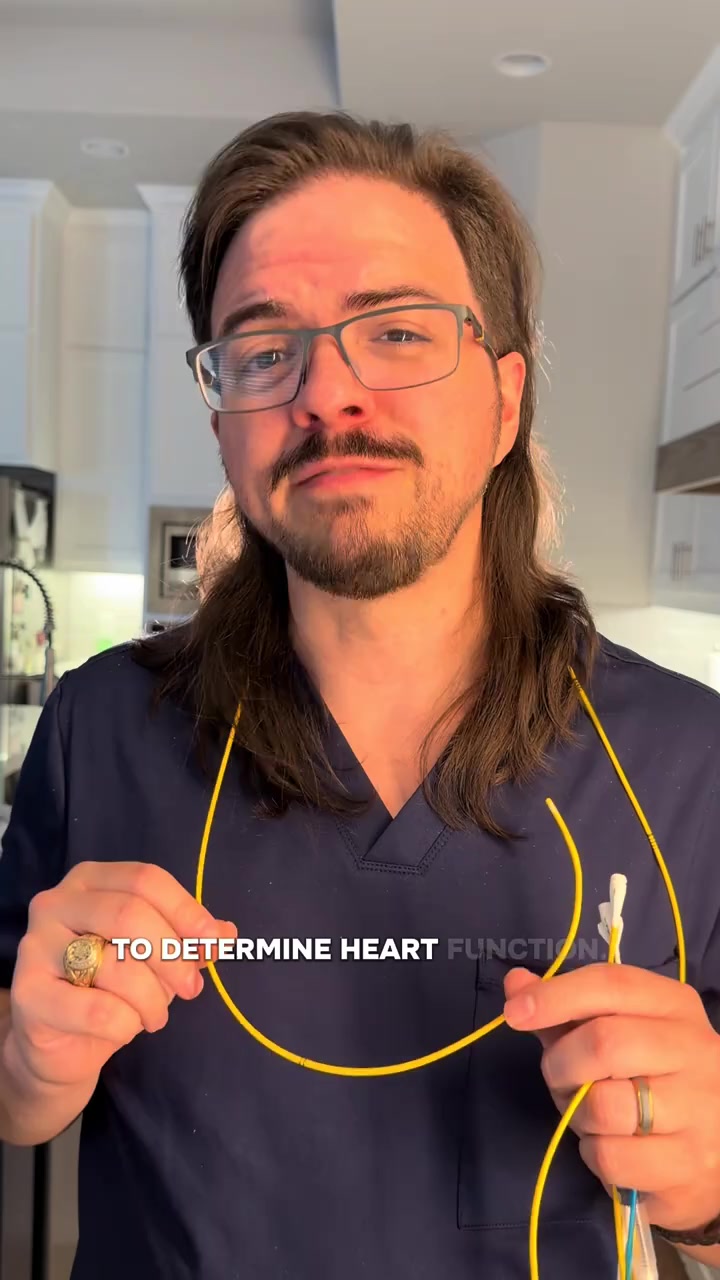
How does a Swan Ganz catheter actually work? The idea of the Swan Ganz catheter is that once it gets past the introducer, when you inflate the balloon, it's supposed to act like a sail and carry the end of the catheter all the way through the right ventricle into the pulmonary artery. This is why you'll hear it called a pulmonary artery catheter. Once it's there, the balloon is usually deflated, and we use various pressures and sensors involved in the pulmonary artery catheter to determine heart function.
Product Benefits
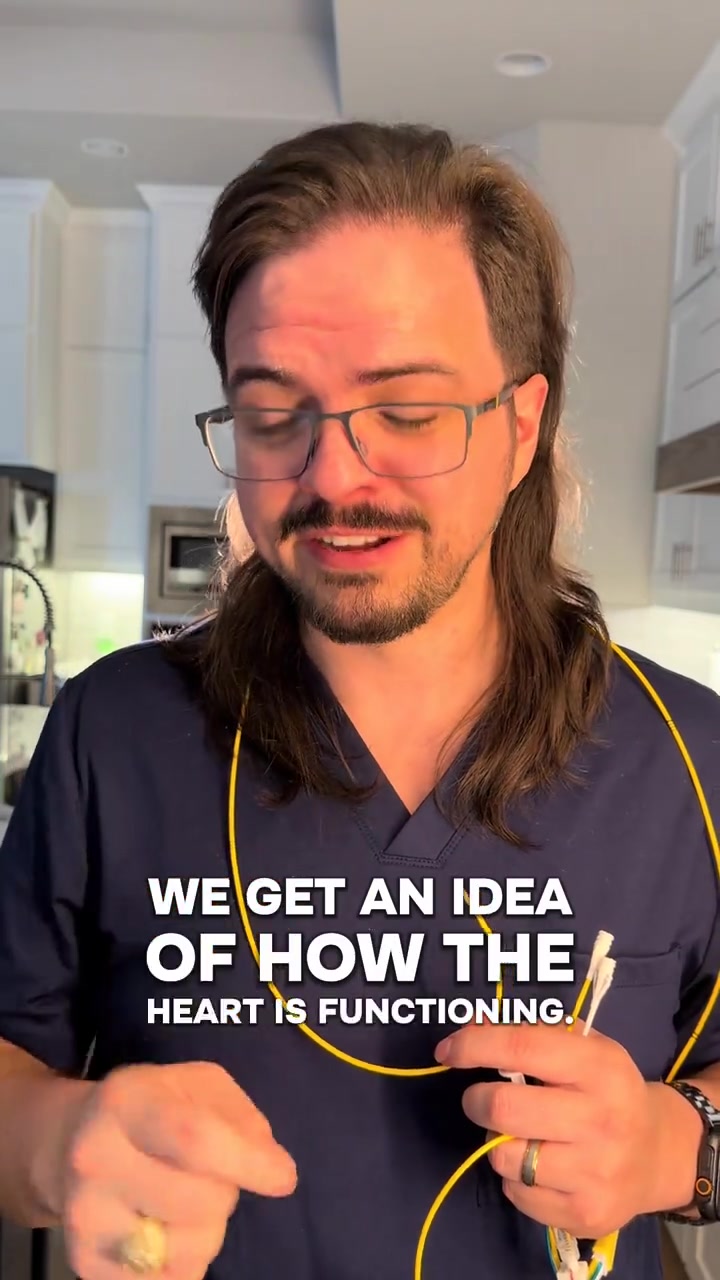
One way is to get a mixed venous sample, which is a venous gas that you can draw from the tip of the pulmonary artery catheter. Another option is to use thermodilution, where injectate is injected into the venous system and as that cold water travels through the right heart, a sensor determines a temperature change, which gives you an idea of how the heart is functioning. You can imagine that if the heart's functioning very well, then all that cold water is gonna be pushed away with warm blood very quickly. And if the heart isn't functioning very well, then that cold water is gonna hang around for a longer period of time. So using complicated mathematics we get an idea of how the heart is functioning.
Instructions for Use
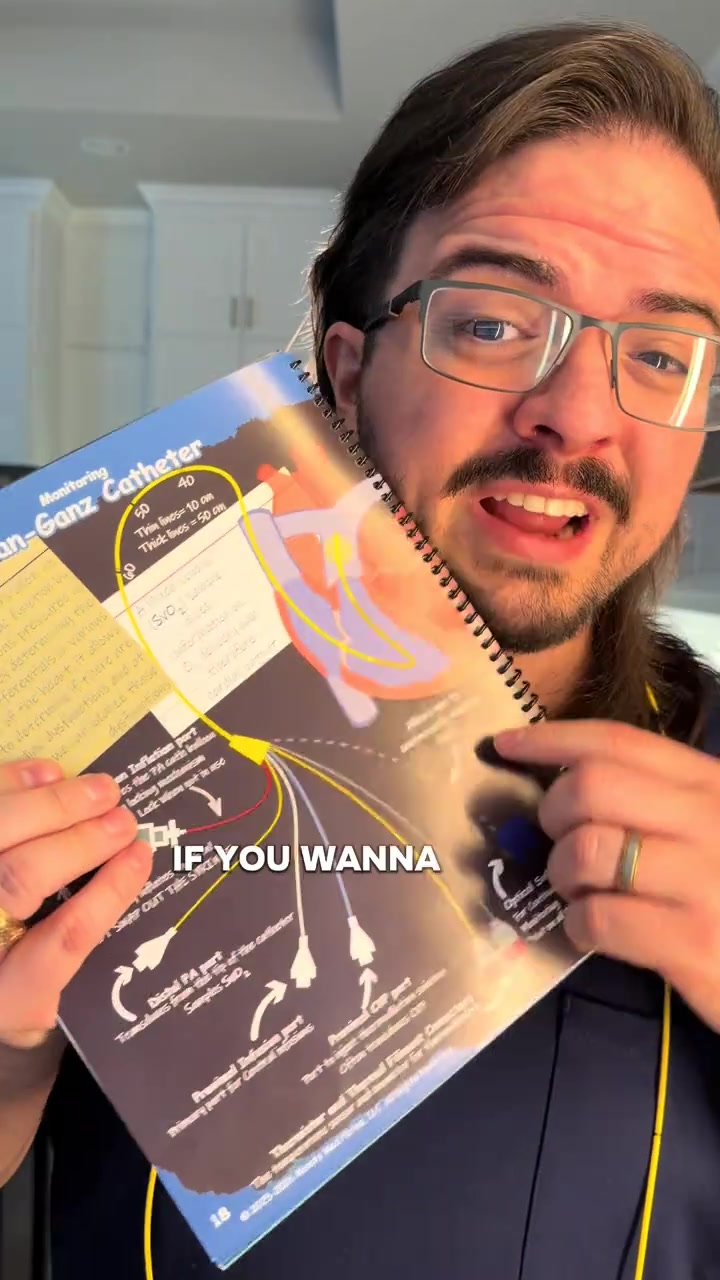
There are also some special ports associated with the Swan Ganz catheter. First, you got your balloon port, which as the name implies allows you to inflate and deflate the balloon. Then you have your distal PA port. This is where you can transduce the very tip of the catheter. And you've got your proximal infusion port, usually used to infuse medications. And your CVP port, where usually you'll put your injectate for thermodilution. You'll also usually have one or more connections like this. This is for the thermistor or the temperature sensing that happens related to thermodilution. Or sometimes you'll have another port that can allow this to be a continuous output Swan, so that it can actually sense the cardiac output and the SVO2 continuously.
Call to Action
If you wanna have an idea of each of these ports' uses or how to check waveforms to make sure that the Swan is appropriately placed, you follow me for more.
Análisis del storyboard
Medium Shot
A man in dark blue medical scrubs stands in the kitchen, holding a yellow Swan Ganz catheter, explaining and showing the main part of the catheter, introducing its basic working principle and other name origin.
Medium Close-up
The man holds the complete catheter to continue the explanation, sequentially introducing the two principles of mixed venous blood sampling and thermodilution for cardiac function detection, using gestures to assist the demonstration.
Close-up
The man shows each special port of the Swan Ganz catheter one by one: balloon port, distal pulmonary artery port, proximal infusion port, etc., explaining the usage details of each port respectively.
Medium Shot
The man takes out a professional reference manual printed with Swan Ganz catheter diagrams, shows the catheter placement waveform chart on the manual to the camera, and finally makes a follow-up appeal to the audience.
Preguntas frecuentes
Preguntas sobre el vídeo How does a Swan Ganz catheter actually work?
Preguntas sobre la estrategia creativa, el creador, las métricas y cómo crear un vídeo similar.
¿Qué gancho inicial utiliza el vídeo de A Visual Guide to Cardiac Critical Care?
El vídeo comienza con «Gancho con pregunta». La clasificación se basa en el contenido recopilado y los datos de análisis, y ayuda a entender cómo capta la atención en los primeros segundos.
¿Qué ángulo de venta y estructura utiliza este vídeo?
El ángulo principal es «Trust» y la estructura es «POV en primera persona». Adapta estas ideas a tu producto, audiencia y voz de marca.
¿The Hemodynamics Dude es el creador de este vídeo?
Los datos actuales identifican a The Hemodynamics Dude como creador. Cuando está disponible, el nombre enlaza con su perfil público de TikTok.
¿Puedo usar el vídeo de A Visual Guide to Cardiac Critical Care para crear uno similar?
Sí. Octer toma como referencia el gancho, el ritmo, la estructura y la presentación, y los combina con la información de tu producto sin copiar el material original.
¿Las visualizaciones, la interacción y los datos de producto son en tiempo real?
No. Se muestran los datos públicos recopilados más recientemente y puede haber retrasos por actualizaciones de la plataforma o periodos de informes.
¿Qué debo tener en cuenta al crear contenido a partir de esta referencia?
No reutilices directamente el vídeo, la música, la imagen o los recursos de marca del creador original. Confirma los derechos y las normas aplicables antes de publicar.